


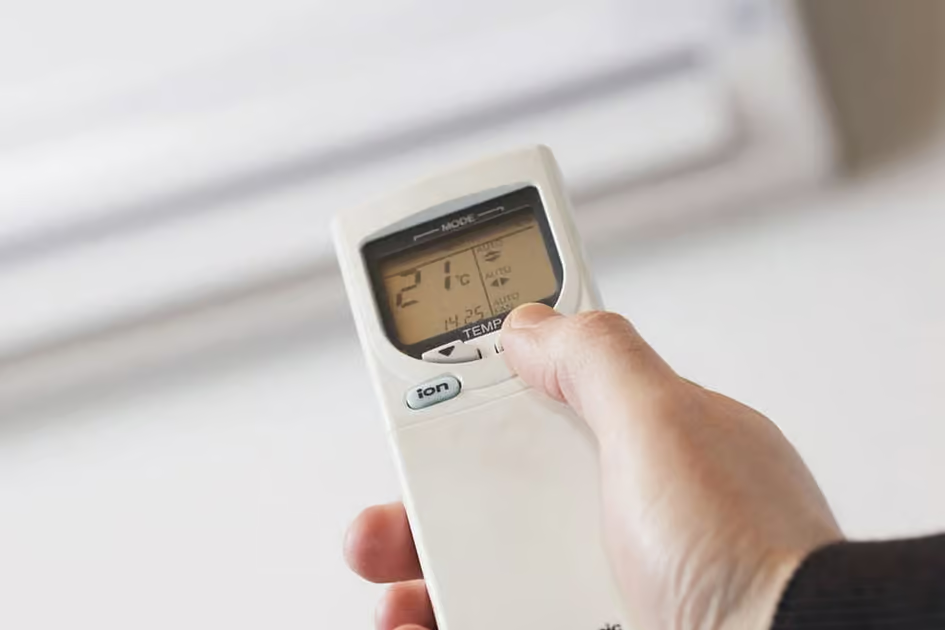
In Dubai, summer often means living between two extremes: a sharply chilled office, mall or car, followed moments later by intense outdoor heat and humidity. While the body is designed to adapt to changing temperatures, repeatedly moving between these environments can place extra strain on its cooling systems and on the skin barrier.
“When you step into extreme heat, blood vessels near the skin widen to help release heat, the heart works harder, and the body sweats to cool itself,” said Dr Negin Hakim, Family Medicine Consultant. “In Dubai’s humidity, sweat does not evaporate as easily, so this cooling process becomes less effective.”
Back indoors, strong air-conditioning reduces the need for cooling but can bring a different set of issues. Cold, dry air may irritate the eyes, nose, throat and airways, especially in people with asthma, allergies or sinus problems. Doctors stress, however, that going from hot to cold does not directly cause a cold or flu. “These illnesses are caused by viruses, not by temperature changes themselves,” Dr Hakim said.
Stay up to date with the latest news. Follow KT on WhatsApp Channels.
The repeated switch can still leave some people feeling unwell. Headaches, fatigue, poor concentration and light-headedness are more likely when a person is dehydrated or has not eaten properly. Heat causes blood vessels to widen while sweating leads to fluid and salt loss; together, this can lower blood pressure and contribute to dizziness. Dr Hakim added that large indoor-outdoor temperature differences may contribute to dizziness, dryness of the eyes and throat, nasal congestion, runny nose and tiredness.
For the skin, the effect can be equally frustrating. Dr Maurizio Viel, Plastic Surgeon, described Dubai’s summer as two climates in one day. Outdoors, heat increases sweating and oil production. Indoors, air-conditioning strips moisture from the air, encouraging water to evaporate from the skin’s surface.
“The result is a common summer paradox: Skin that is oily and dehydrated at the same time,” he said. “Patients often respond by using harsh cleansers and acids, which damages the skin barrier further and can trigger more oil production.”
Residents may notice tightness after showering, flaking around the nose and mouth, redness, breakouts, heat rash, puffiness and makeup that no longer sits smoothly. Most of these changes are temporary and can improve within weeks with gentler skincare and better hydration.
The more lasting concern is cumulative sun and heat exposure. UV and heat can contribute to pigmentation, collagen breakdown, fine lines and loss of firmness over time. People prone to melasma or post-inflammatory pigmentation may find symptoms worsen during the hottest months, he added.
Doctors advise residents to keep indoor temperatures comfortable rather than excessively cold, avoid sitting directly under air vents, and drink water regularly throughout the day — including while indoors.
Dr Somayeh Shamsei, Specialist Internal Medicine at Aster Clinic, JLT, said the effect can be more noticeable in older adults, pregnant women, people with diabetes, and those with heart conditions. “Heat exposure can cause peripheral blood vessel dilation, an increased heart rate and a mild fall in blood pressure. Moving into a cold area reverses these changes, which can be problematic in people with pre-existing cardiac issues.”
When heading outside, take a moment to adjust, avoid rushing into strenuous activity and limit time outdoors during peak heat where possible. Hats, sunglasses, shade and broad-spectrum SPF 50 sunscreen remain essential, with reapplication every two hours when outdoors, doctors said.
For skincare, experts recommend a gentle cleanser, moisturiser containing barrier-supporting ingredients such as ceramides or niacinamide, and avoiding overuse of strong acids and retinoids during peak summer. A humidifier may also help in bedrooms or heavily air-conditioned spaces.
Residents should not dismiss persistent dizziness, unusual fatigue, wheezing, ongoing cough or shortness of breath as simple “summer fatigue”. Headache, nausea, heavy sweating, marked weakness or reduced urination after heat exposure may signal dehydration or heat exhaustion.
Source: Khaleej Times
