

Who wouldn’t want to sleep through the rest of 2026? The Ukraine war dragged on, the US-Iran-Israel war erupted in February, Ebola spread through the Democratic Republic of Congo and Uganda, and Elon Musk became the world’s first trillionaire. And it’s not only current affairs that are robbing us of sleep. Our private anxieties keep us wide awake at 3am, doomscrolling as the blue light from our phones illuminates our exhausted faces. In 2026, Sleepless in Seattle could easily sound like a psychological thriller.
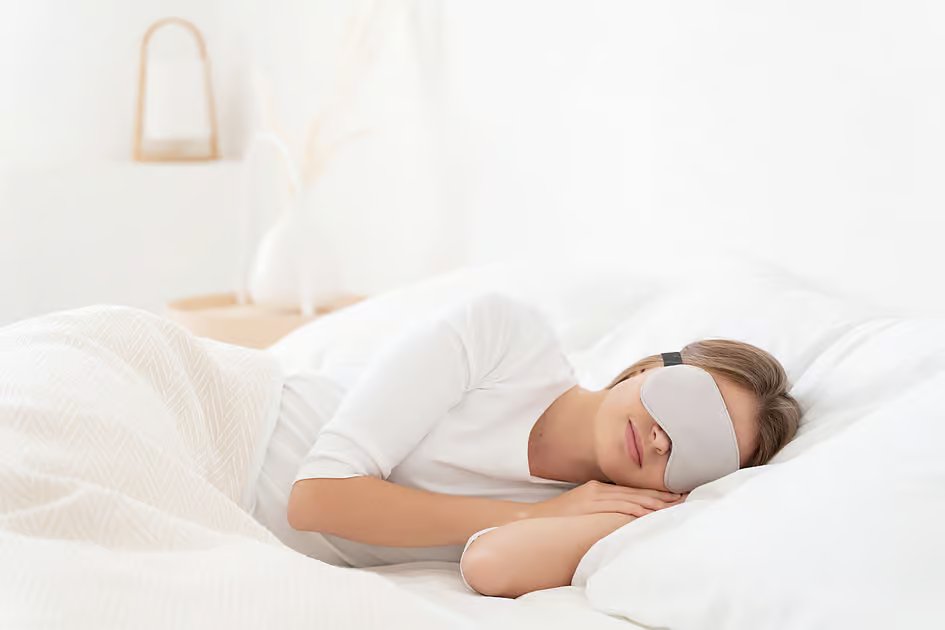
No wonder, then, that sleep tourism has emerged as a popular wellness trend, where sleep is seen as a ‘luxury’ item that’s to be coveted and chased. According to Hilton’s 2025 Travel Trends Report, based on an Ipsos global survey, 42 per cent of UAE-based respondents indicated that they travel to rest and recharge. Forty-three per cent opted for spa and wellness treatments during their travels for better sleep and 57 per cent chose hotels that were embedded with features designed to improve sleep.
Desperately seeking sleep
Julie Mallon, sleep expert, founder of Nurture 2 Sleep and sleep consultant to luxury hospitality brands, explains that in our hyperconnected world, “many people arrive on holiday physically exhausted but neurologically overstimulated”.
“What I find fascinating is that sleep is not something we can simply decide to do — it is something the brain allows when it no longer perceives a need to stay alert,” explains Mallon. She points out that guests no longer check into Insta-worthy hotels but instead prefer to look for places where they can truly relax. This shift in travellers’ behaviour is also reflective of people’s newfound, insatiable interest in longevity — everyone wants to live longer and better, especially post-pandemic.
The hospitality industry in the UAE, like other global tourism hubs, has been quick to take notice — several hotels and resorts now offer ‘sleep, wellness and rejuvenation’ amenities which include everything from pillow menus to circadian lighting. At SIRO One Za’abeel, for instance, guestrooms come equipped with special mattresses, blackout curtains and sound insulation, says Alex Savva, fitness director, SIRO. “We also minimise unnecessary light and noise disruption to help support natural circadian rhythms,” he says. Outside the confines of the room, experiences like contrast therapy, cryotherapy and mobility sessions await guests.
“Many guests now actively seek hotels that align with their health and performance goals rather than simply offering traditional luxury,” explains Savva. “Recovery facilities, wellness programming and sleep-supportive environments are becoming meaningful differentiators during the booking process.”
Most hotels also know that their sleep and wellness programmes cannot rely on a single feature no matter how extraordinary, says Mallon. So they employ a combination of features like circadian-friendly lighting, blackout systems, acoustic design and even carefully planned dinners, to coax guests to relax. And while a room may look calm and serene at first glance, it may still contain “multiple hidden stressors such as bright standby lights, overly warm temperatures, noisy ventilation systems, reflective surfaces, complicated technology or excessive sensory stimulation,” she adds.
Four Seasons Resort and Residences AMAALA at Triple Bay has guestrooms with “100 per cent blackout capabilities” and also offers a pillow menu with 10 different kinds of pillows designed to lull guests to sleep. And in the evening, “guests receive a special sleep-focused turndown amenity designed to encourage relaxation and prepare the body and mind for restful sleep,” explains Ni Ketut Candra, spa director, Four Seasons Resort and Residences AMAALA at Triple Bay. They also offer hydrothermal facilities — a steam room, sauna, plunge pool, vitality pool, halo therapy and Kneipp walks — as well as an in-room ‘sleep nurture’ ritual, spa and wellness programmes that incorporate various therapies like nature immersion, sound healing and breathwork.
Centara Mirage Beach Resort Dubai has an ‘Art of Sleep’ experience, which also includes a pillow menu and tranquil sleep sounds. “Guests can enjoy a curated selection of soothing sleep sounds and music through the in-room TV, including gentle ocean waves, peaceful forest ambience and white noise to help create a relaxing environment for a restful night’s sleep,” explains Samer Saleh, general manager, Centara Mirage Beach Resort.
Merging hospitality and science
But are such features backed by science, or are they just scientific mumbo-jumbo?
Mallon explains that circadian lighting has “particularly strong scientific support because light is the primary signal regulating our biological clock”. “Temperature regulation also has robust evidence, as even small increases in bedroom temperature can fragment sleep,” she says.
Candra says that many of their wellness offerings are developed with wellness partner Wildsmith Skin & Wellbeing, and that their programmes draw on expertise from “therapists, movement specialists, and well-being professionals”. She also says that sleep tourism will evolve further to become more “personalised, data-informed and integrated into broader wellness journeys”. Savva, meanwhile, explains that their approach is rooted in sleep science, with in-house wellness experts seeking guidance from sleep consultants. “SIRO works collaboratively with leading experts across fitness, recovery, nutrition and wellness to ensure our programming reflects current evidence and best practice,” he adds.
Mallon predicts that in the coming years, sleep will be seen less as a luxury amenity and more as the cornerstone of wellness. “The hotels leading this space will not simply offer better mattresses but will create environments that work with human biology rather than against it,” she says. “I believe we will also see greater integration between sleep, nutrition, movement, stress regulation and circadian health…”
Source: Khaleej Times