


For many children in the UAE, the language they hear at home is different from the one they use at school. Parents may worry that learning both will leave their child struggling with each.
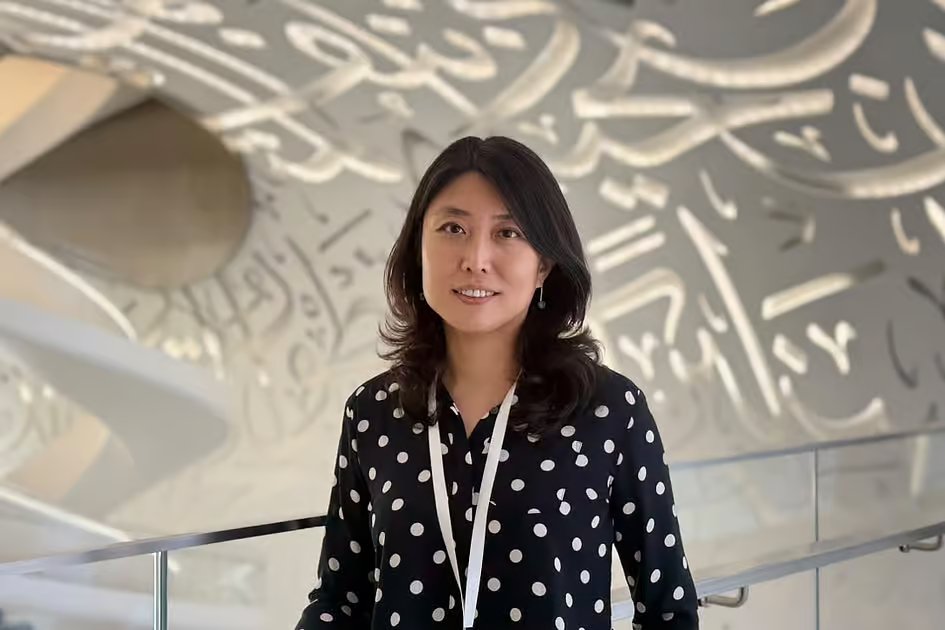
Dr He Sun, a professor and researcher who studies children’s language learning, says children are capable of learning more than one language from an early age. The more useful question for parents is how to give them meaningful opportunities to use each one.
“Children are more capable than your imagination. They can handle two languages since early on,” she told Khaleej Times. “They know which language to use to talk to whom.”
Parents sometimes assess a child’s progress by counting how many words they can say in each language separately, she said. That can miss the knowledge a bilingual child has across both languages.
For families living where English is widely used at school and in the community, Dr Sun recommends making space for the family’s other language at home. That does not have to mean formal lessons.
“Home probably is the only place where they can enhance their mother tongue language,” she said. Families can read together, play games or cook a traditional dish while speaking it.
The activity itself matters. “When they’re young, children actually don’t choose languages. They’re choosing interesting content,” she said. A child who wants to know what happens next in a story has a reason to keep listening, asking questions and learning new words.
AI can give families another way to practise, particularly when a parent is less confident in a language and wants help finding more varied words or sentences. But Dr Sun cautioned against leaving children to learn from a device alone.
“Don’t take technology as a babysitter,” she said. Language also develops through the expressions, gestures and social cues children encounter when talking to other people.
She suggested that parents use a digital tool as a starting point for conversation. They can read or explore something with their child, then ask questions and talk about it together.
Dr Sun pointed to her work on electronic books and research from other countries suggesting that some designs, including animation and background music, can help draw children’s attention to reading material. The effect depends on how the material is designed and used, she said.
Her advice to parents raising bilingual children is to make the experience enjoyable, keep it consistent and use technology with a clear purpose.
“Choose some books, some games that kids are happy to indulge in,” she said. “Make it a fun journey.”
Source: Khaleej Times
